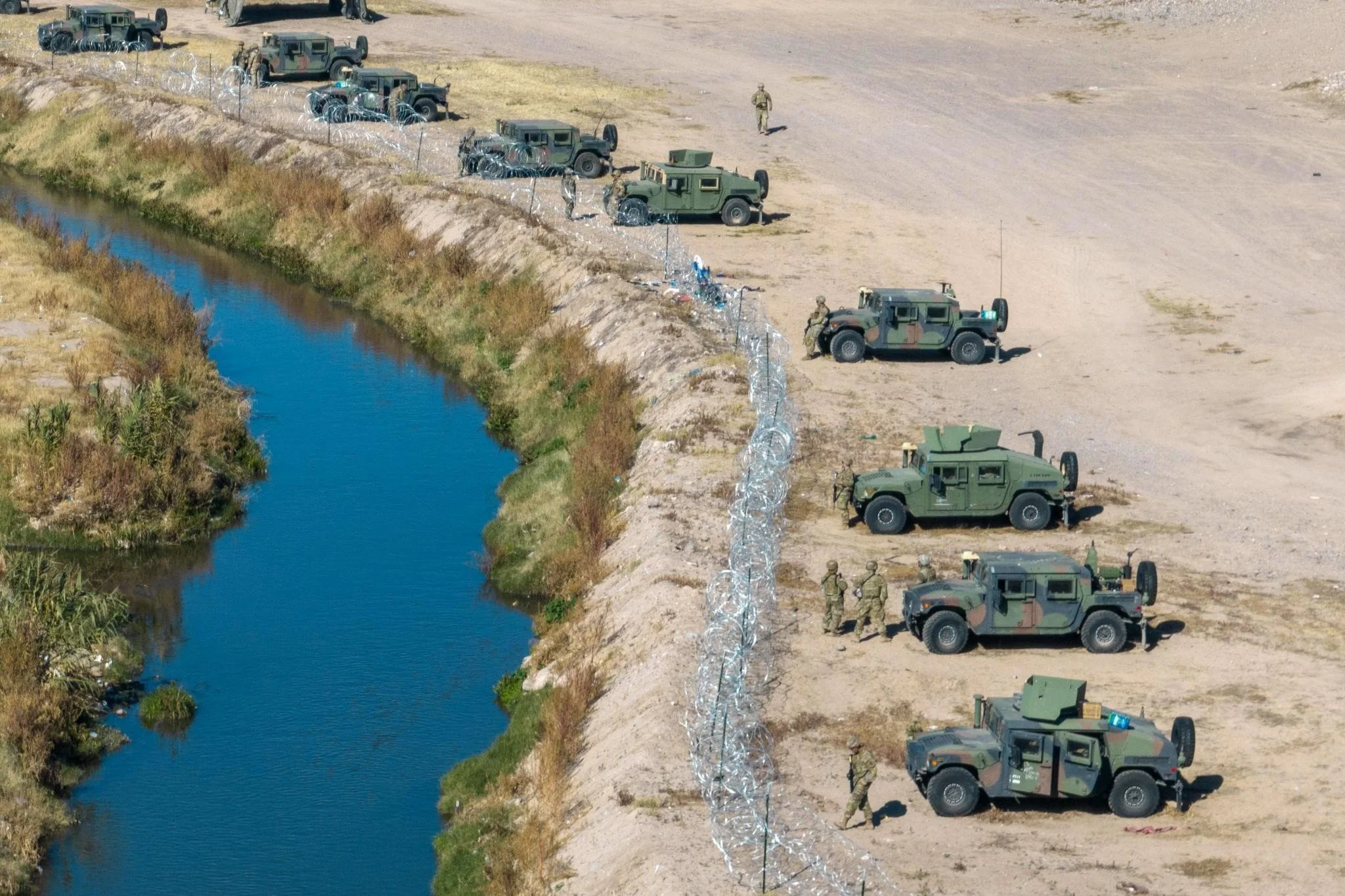
SOUTHERN BORDER
The Premise
The violence begins in a town no one outside Arizona has heard of.
Within hours, the incident is politicized.
Within days, it is weaponized.
Within weeks, escalation no longer answers to anyone.
Southern Border examines how a localized act of brutality can trigger strategic consequences far beyond its origin—when criminal networks, political incentives, media amplification, and military posture collide.
This is not a story about invasion.
It is a story about control—who believes they have it, who actually does, and what happens when neither side can afford to step back.
The Setting
From a quiet desert community to federal command centers and cross-border strongholds, the story unfolds across layered environments:
Small-town America under sudden violence
Federal crisis management and political pressure
Cartel power structures operating in parallel
Media narratives shaping public perception
Tactical units operating in legal gray zones
The geography is real.
The incentives are real.
The escalation pathways are plausible.
What Makes Southern Border Different
This is not a simple good-versus-evil narrative.
It explores:
How political incentives accelerate conflict
How media framing alters strategic decisions
How criminal networks exploit state hesitation
How military capability collides with legal constraint
How escalation becomes self-sustaining
The story examines how war can begin without being declared—and how it can continue without being fully authorized.
Themes
Momentum replacing intent
Public outrage versus strategic restraint
The illusion of decisive action
Criminal power in contested spaces
National sovereignty under pressure
About the Approach
Southern Border is written with the same decision-chain realism that defines Kevin Darnall’s geopolitical fiction—focusing on how systems respond under stress and how individuals navigate responsibility when outcomes exceed their authority.