GREENLAND
The Premise
Greenland was never meant to become the center of anything.
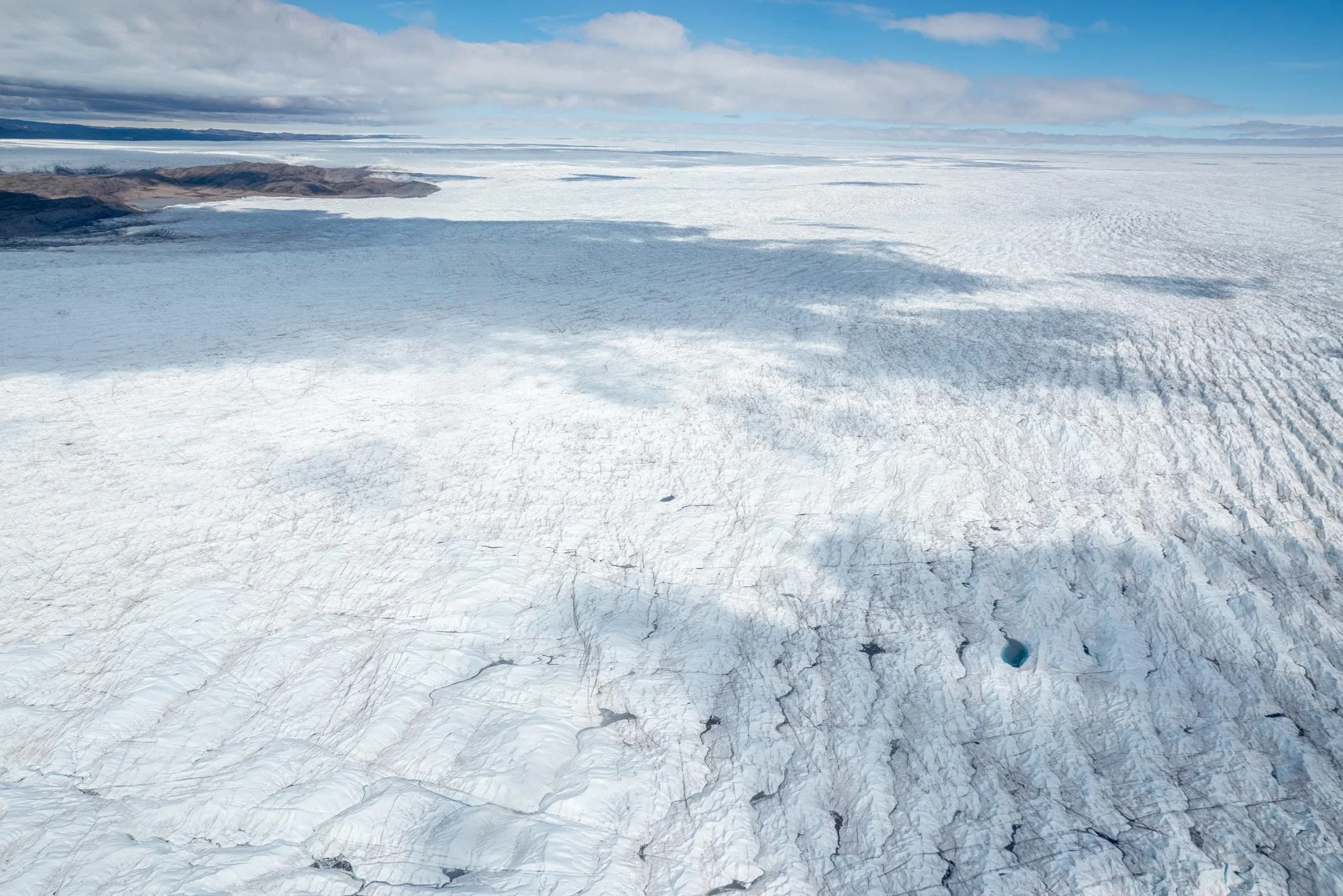
But as Arctic ice retreats and new sea lanes emerge, what was once remote becomes strategic. What was once overlooked becomes contested.
When infrastructure, intelligence collection, and resource positioning begin to overlap, the world’s most powerful nations start paying attention. Quiet investments turn into leverage. Leverage turns into pressure. And pressure rarely remains contained.
Greenland explores how competition in the Arctic shifts from economic to political—and from political to something harder to unwind.
The Setting
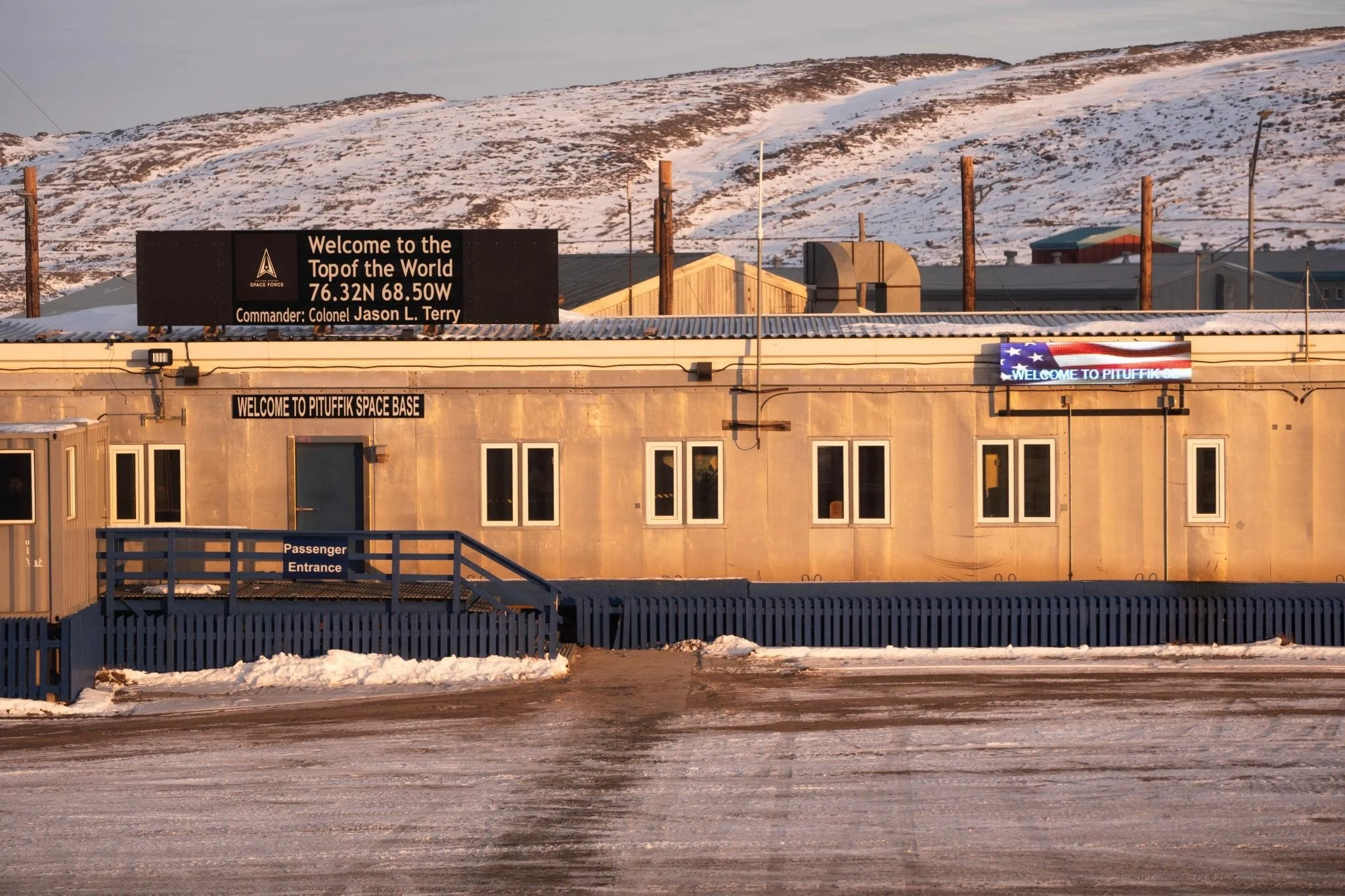
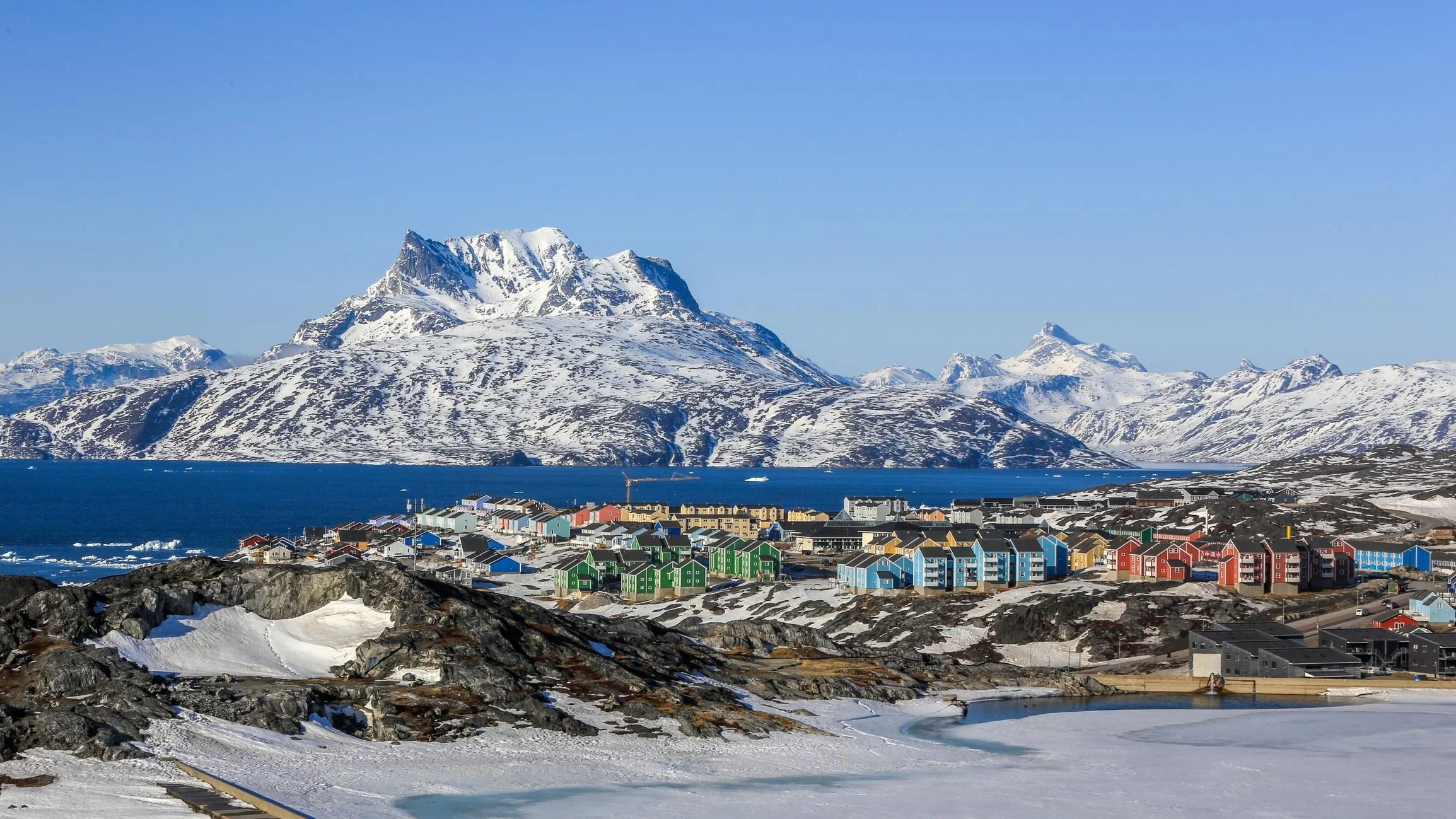
From the capital of Nuuk to the remote installations of Pituffik Space Base, the story unfolds across a region undergoing rapid transformation:
Expanding Arctic shipping corridors
Satellite and missile warning infrastructure
Rare earth mineral exploration
Danish, American, and emerging Chinese interests
Indigenous governance under global pressure
The Arctic is no longer a frontier.
It is a strategic crossroads.
What Makes Greenland Different
This is not a war novel.
It is a story about positioning—long before conflict becomes visible.
Rather than focusing on open combat, Greenland examines:
Strategic access and denial
Infrastructure as influence
The politics of territory without sovereignty change
Climate change as a geopolitical accelerant
Quiet moves that reshape global balance
The escalation here is subtle.
The consequences are not.
Themes
Geography as destiny
Power projection through infrastructure
Economic competition masking strategic intent
The illusion of neutrality
The cost of strategic miscalculation in emerging theaters
About the Approach
Like Kevin Darnall’s other geopolitical works, Greenland focuses on decision-chain realism and system stress under ambiguity. Leaders believe they are managing risk. Institutions believe they are preserving stability. But in contested regions, incremental moves compound.
Sometimes the most consequential conflicts begin without gunfire.